Fraud laws | Business Litigation | Art & Design
Introduction: A Legal Surrealist Masterpiece
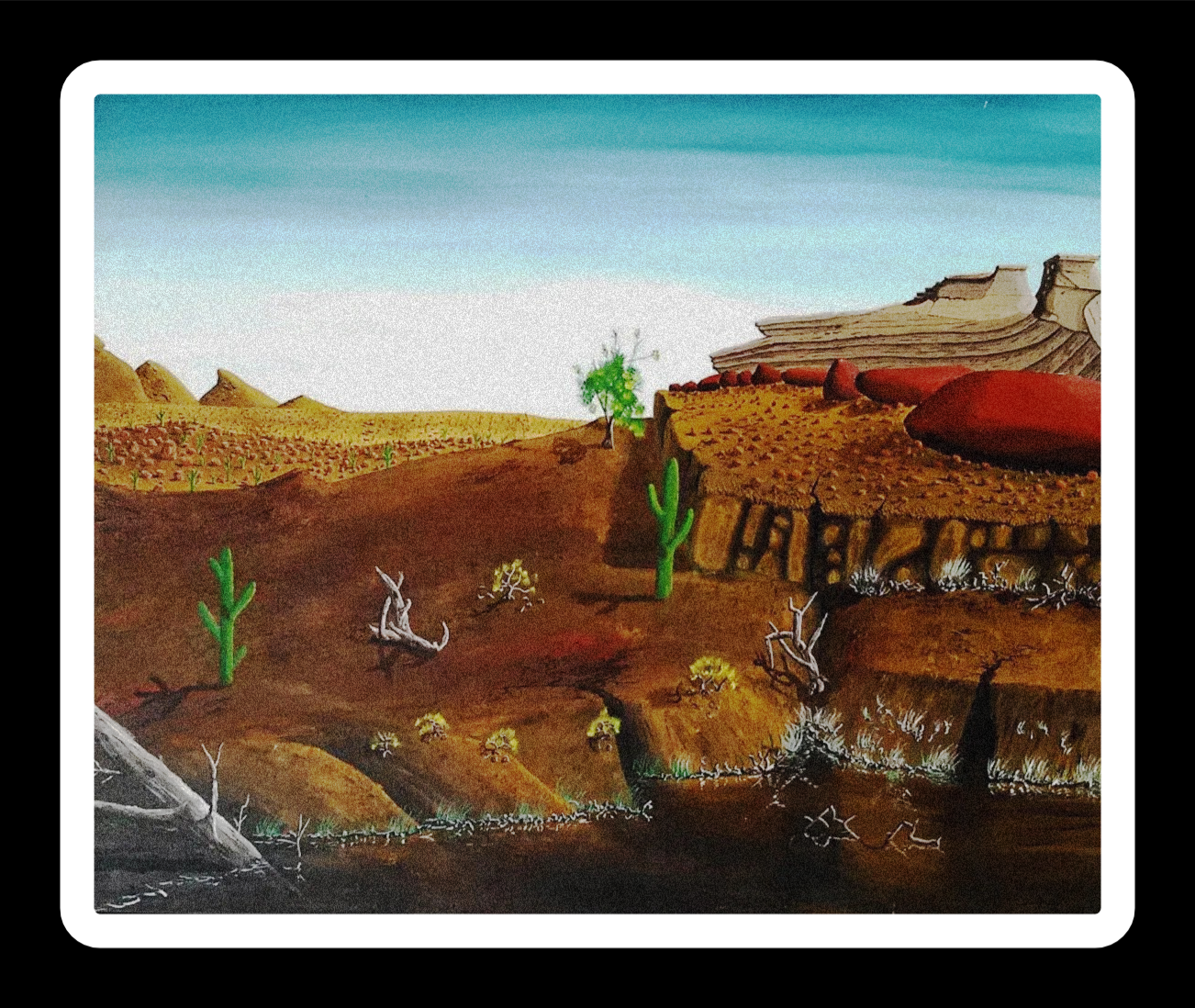
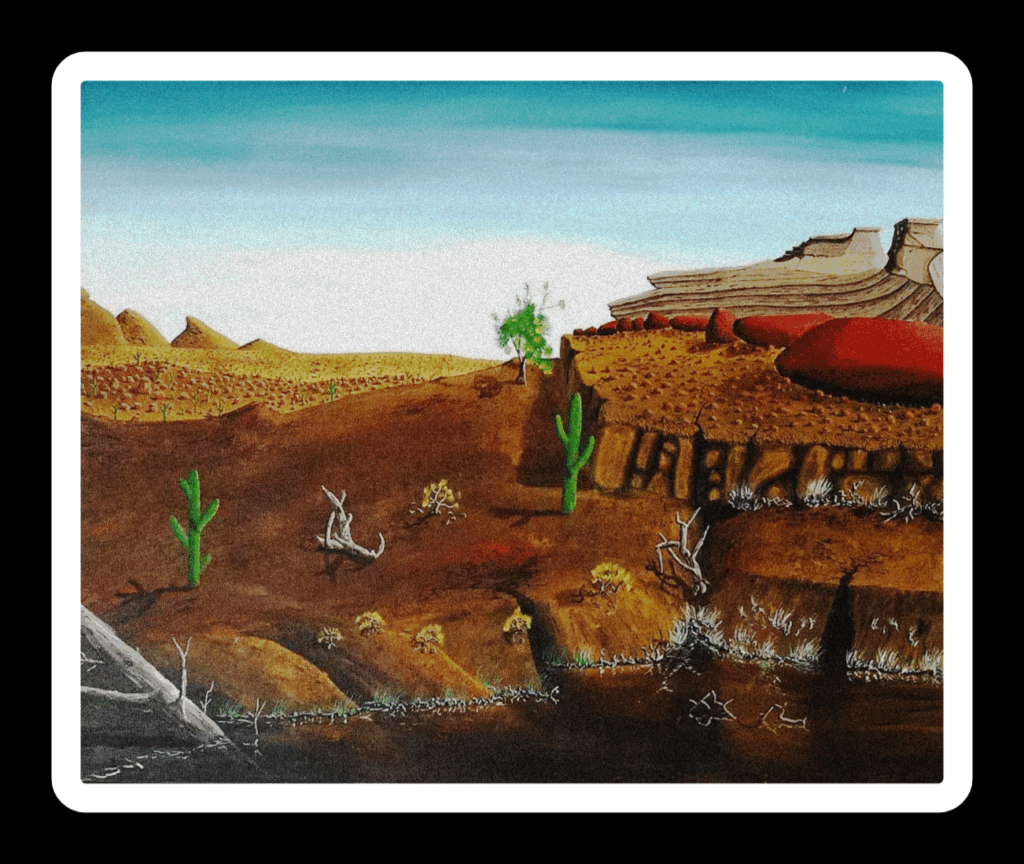
In a ruling as striking as the artwork at its center, a federal judge in Illinois has affirmed that Scottish painter Peter Doig is not the creator of a disputed desert landscape painting—despite years-long efforts by a Chicago art dealer and the work’s owner to claim otherwise. The ruling, issued on July 29, 2025, upholds a prior decision holding the plaintiffs liable for $2.5 million in damages payable to Doig.
This case is both legally unusual and culturally significant. It raises fundamental questions about artist attribution, fraud, and the right of living artists to assert non-authorship, all while testing the legal bounds of reputation, authenticity, and commercial motive in the art world.
Background: A Painting, a Prison, and a Mistaken Identity
The dispute began when art dealer Peter Bartlow and former corrections officer Robert Fletcher insisted that a painting of a southwestern desert scene—signed “Pete Doige”—was in fact an early work by Peter Doig, who is known internationally for his dreamlike landscapes.
Fletcher, who claimed to have purchased the painting in the 1970s from an inmate named “Pete Doig” while working at a Canadian prison, partnered with Bartlow to sell the work as an authentic Doig, estimated to be worth millions. The only problem? Peter Doig denied ever painting it—or being imprisoned in Canada.
A forensic-style unraveling followed: Doig’s legal team presented education records, immigration documents, and other evidence proving he was a teenager living in Toronto at the time the work was allegedly created in a Canadian prison by “Pete Doige”—a different person altogether, now deceased.
Litigation and Ruling: Right to Deny Authorship
In 2016, Judge Gary Feinerman of the U.S. District Court for the Northern District of Illinois ruled in Doig’s favor, declaring that Peter Doig was not the author of the painting, and that Fletcher and Bartlow had no legal basis to claim otherwise. This historic decision marked one of the rare instances in which a court was asked to rule not on copyright infringement, but on the authenticity of authorship denial.
The plaintiffs appealed, but on July 29, 2025, the court reaffirmed that the defendants had acted with malice and commercial self-interest, attempting to coerce Doig into validating a work that was never his. The judgment includes $2.5 million in damages for harm to Doig’s reputation and legal costs.
Legal Significance: The Artist’s Right to Disavow
This case is significant for several reasons:
- Recognition of Negative Authorship Rights
While intellectual property law protects an artist’s right to control the use of their works, this case reinforces that living artists also have a legal right to disavow works not of their creation, especially when false attributions threaten their brand and market value. - Precedent in Attribution Disputes
Most attribution battles occur after an artist’s death and hinge on expert testimony. This case is unique in that the artist was alive and adamantly denied authorship, yet still had to litigate for nearly a decade to protect his name. - Tort Liability for Misattribution
The court’s upholding of financial liability under tort law—rather than IP statutes—may encourage more artists to pursue defamation and fraud claims when falsely linked to works they did not create.
Implications for the Art Market
This outcome sends a clear signal to dealers, collectors, and institutions: commercial interest does not override the truth of authorship. As art becomes increasingly commodified, the need for rigorous provenance standards grows more urgent.
For living artists, the case affirms that the legal system can be a tool to defend authenticity and reputation, not just protect against forgery or copyright theft.
Conclusion: Protecting the Canvas of Reputation
Peter Doig’s victory is not just personal—it’s principled. The federal court’s judgment underscores that the misattribution of authorship is not just a curatorial mistake; it can be a legal wrong with serious financial and reputational consequences. In a world where art, money, and identity collide, the right to say, “That is not my work,” may be among the most important rights an artist possesses.
Subscribe for Full Access.