Automotive law | Constitutional Litigation | Politics
Introduction: A Legal Collision Over Direct Sales
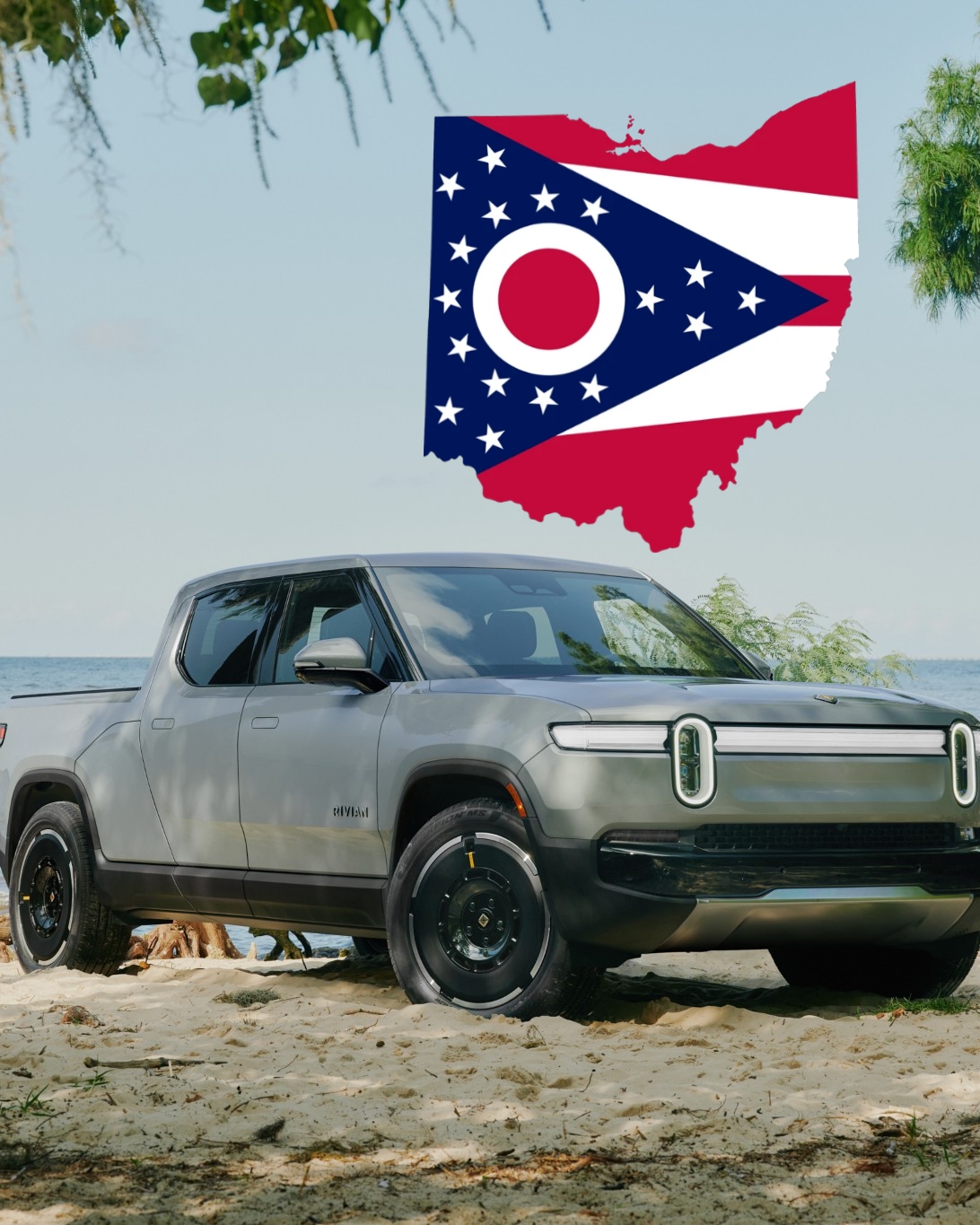
Electric vehicle (EV) manufacturer Rivian Automotive Inc. has taken legal aim at the State of Ohio, filing a federal lawsuit that challenges the state’s longstanding prohibition on direct-to-consumer vehicle sales. In a sharply worded complaint, Rivian called Ohio’s restrictions “irrational in the extreme” and argued that they amount to economic protectionism in violation of federal law.
The case adds to a growing list of constitutional and commercial battles between EV innovators and legacy dealership laws, with potential implications for how cars are sold across the United States.
The Lawsuit: A Clash Over Sales Channels
Filed in the U.S. District Court for the Southern District of Ohio, Rivian’s lawsuit targets the Ohio Bureau of Motor Vehicles (BMV), claiming the agency unlawfully denied the company’s application for a dealer license.
Ohio law prohibits auto manufacturers from selling directly to consumers, requiring instead that vehicles be sold through franchised, independent dealerships. Exceptions have been made in the past—most notably for Tesla, which operates under a limited settlement agreement in the state.
Rivian’s suit argues that:
- The state’s ban violates the U.S. Constitution’s Commerce Clause by discriminating against out-of-state economic actors;
- The law is arbitrary and anti-competitive, benefiting legacy dealers rather than consumers or public policy;
- The state’s denial of Rivian’s license lacks a rational basis, particularly given Tesla’s special treatment.
Rivian is seeking declaratory and injunctive relief that would allow it to open company-owned retail locations in Ohio, a key market for EV growth in the Midwest.
Legal Context: The Direct Sales Battle
This case is part of a larger national debate over state dealership laws, which were originally enacted to protect car dealers from abusive practices by large manufacturers. However, EV companies like Rivian and Lucid argue these laws are now being used to protect entrenched dealership interests at the expense of innovation and consumer choice.
Key legal and policy issues include:
- Equal protection and due process claims where laws are applied inconsistently (e.g., Tesla’s carve-out);
- Commerce Clause concerns when state laws are seen as restricting interstate commerce;
- Whether direct-to-consumer sales enhance competition and lower prices, or undermine consumer protections.
While Tesla has pursued similar lawsuits with mixed results, Rivian’s case is distinct in its focus on equal application and the economic irrationality of the ban.
The Stakes: Market Access vs. Regulatory Tradition
Ohio is a strategically important state for Rivian, home to several major automotive manufacturing corridors and EV infrastructure investments. Being locked out of direct sales limits Rivian’s ability to:
- Educate customers about its unique electric truck and SUV offerings;
- Control the customer experience through vertically integrated sales and service;
- Compete on equal footing with Tesla, Ford, and other companies permitted to operate under different terms.
For Ohio, the case forces the state to defend a legacy dealership framework under increasing pressure from technological and market evolution. A loss in court could trigger policy overhauls not only in Ohio, but in other states with similar restrictions.
Industry Impact: A Possible Domino Effect
If Rivian prevails, it could set a major federal precedent in favor of manufacturer-direct sales, challenging the status quo in over a dozen other states with similar prohibitions.
Potential outcomes include:
- More equitable treatment of EV manufacturers under state law;
- Increased legal pressure on states to modernize dealership statutes;
- A reevaluation of what constitutes a fair, competitive automotive retail model in the 21st century.
Automakers, consumer advocacy groups, and dealership associations nationwide are closely watching this case.
Conclusion: A Pivotal Case in the Future of Auto Commerce
As EV adoption accelerates, the tension between traditional regulatory models and disruptive retail practices continues to mount. Rivian’s lawsuit against Ohio is more than a legal disagreement—it’s a high-stakes test of how U.S. states will adapt to the next era of vehicle innovation.
If courts agree that laws like Ohio’s are outdated and protectionist, it could mark a significant turning point in how Americans buy their cars—and who gets to sell them.
Legal Sidebar: Direct Sales Litigation Landscape
| State | Direct Sales Ban? | Tesla Exception? | Active Legal Challenge? |
|---|---|---|---|
| Ohio | Yes | Limited | ✅ Rivian (2025) |
| Texas | Yes | No | ✅ Ongoing (Tesla, Lucid) |
| Michigan | Previously | Settled (Tesla) | ❌ |
| New York | Yes (limited) | Yes | ❌ |
| California | No | N/A | ❌ |
Subscribe for Full Access.