
Aviation Law | Product Liability Lawsuit | Business Litigation
Introduction: Families Seek Justice for Wrongful Deaths
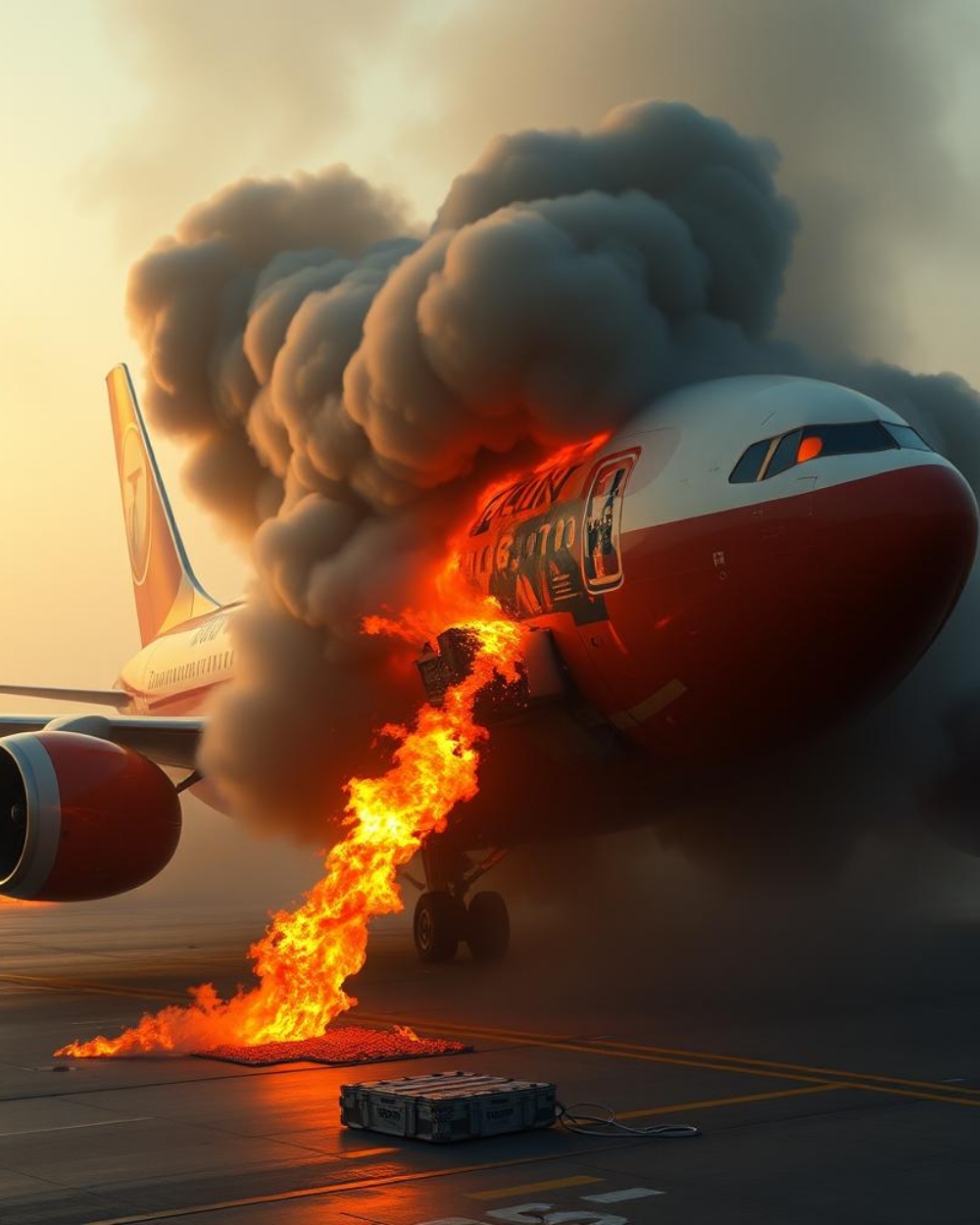
In the latest legal fallout from the tragic June 2025 crash of Air India Flight AI-272, families of several victims have filed a wrongful death and product liability lawsuit against Boeing and Honeywell International, alleging that defective fuel switch components contributed to the fatal accident.
The suit, filed in the Delaware Superior Court, seeks compensatory and punitive damages and claims that the crash was the result of “negligent design, manufacturing, and failure to warn” regarding critical aircraft components.
The incident, which occurred during a domestic flight from Delhi to Bengaluru, resulted in the deaths of 134 passengers and crew. Preliminary reports from India’s Directorate General of Civil Aviation (DGCA) pointed to sudden engine failure moments after takeoff, sparking renewed scrutiny over aircraft component reliability.
Allegations: Faulty Fuel Switches and System Failure
According to the 76-page complaint, plaintiffs allege that:
- The aircraft’s fuel control system malfunctioned due to defective fuel switches, leading to dual engine failure;
- The fuel switches — designed and supplied by Honeywell, and integrated into the aircraft by Boeing — were unreasonably dangerous and failed to perform as intended;
- Boeing failed to adequately test or redesign the system despite being aware of similar failures in prior incidents or during internal testing;
- Neither Boeing nor Honeywell issued sufficient warnings or guidance to airlines or maintenance crews regarding potential malfunctions.
The plaintiffs’ legal team — led by U.S.-based aviation litigation firm Wexler & Taggart LLP — argues that the accident was “entirely preventable” and resulted from a “cascade of failures in design, safety oversight, and corporate accountability.”
Legal Grounds: Product Liability and Wrongful Death
The lawsuit brings claims under:
- Strict product liability, based on design defect and manufacturing defect;
- Negligence, for failure to warn and inadequate quality control;
- Wrongful death, under Delaware and federal aviation law;
- Punitive damages, alleging willful disregard for known safety risks.
Under U.S. product liability law, manufacturers and suppliers can be held strictly liable if a product is found to be unreasonably dangerous when used as intended — even if no negligence is proven.
Corporate Responses
Neither Boeing nor Honeywell has issued detailed public responses to the lawsuit as of publication. A Boeing spokesperson stated:
“Our deepest sympathies remain with the families and loved ones of those lost in the AI-272 tragedy. We are fully cooperating with the ongoing investigations and will respond to the lawsuit in due course.”
Honeywell similarly expressed condolences and reaffirmed its commitment to safety but declined to comment on pending litigation.
Both companies are expected to challenge the claims on procedural and substantive grounds, possibly including:
- Jurisdictional defenses (given the crash occurred in India);
- Forum non conveniens arguments, asserting that India is the more appropriate venue;
- Contesting the causation theory based on official investigation findings.
Jurisdiction and Legal Strategy
Delaware was chosen as the filing venue because both Boeing and Honeywell are incorporated there, giving the court jurisdiction over the defendants.
Legal analysts say this is a common strategy in U.S. aviation litigation, especially where plaintiffs seek access to broader discovery rules, jury trials, and higher potential damages compared to foreign jurisdictions.
Investigations Still Ongoing
The DGCA and international aviation authorities are continuing to investigate the precise cause of the AI-272 crash. While preliminary reports indicate possible mechanical failure, the final report — expected by mid-2026 — will likely be a key piece of evidence in any litigation.
Experts from the U.S. National Transportation Safety Board (NTSB) and the Federal Aviation Administration (FAA) have been invited to assist with the investigation under international civil aviation protocols.
Broader Implications for Aviation Manufacturers
This lawsuit adds to Boeing’s mounting legal challenges, following high-profile settlements and litigation stemming from the 737 MAX disasters in 2018 and 2019. Although the Air India crash involved a different aircraft type, the plaintiffs argue that systemic failures in safety culture persist at Boeing.
For Honeywell, the case may test its exposure as a component supplier, raising questions about how liability is shared between airframe manufacturers and part suppliers in complex aviation systems.
Conclusion: Landmark case in Global Aviation Litigation
The wrongful death lawsuit filed by families of Air India Flight AI-272 victims against Boeing and Honeywell could become a landmark case in global aviation litigation. As investigations proceed and litigation unfolds in Delaware, the case will likely focus attention on the responsibilities of both aircraft manufacturers and suppliers to ensure fail-safe performance in critical systems.
The legal proceedings — and potential damages — could shape future practices around product testing, transparency, and international aviation liability.
Subscribe for Full Access.


