
Class Action Lawsuit | Business | North America
A sweeping recall becomes a legal battleground as owners unite in federal court against General Motors.
Introduction
In what could become one of the most significant auto-defect litigations in years, General Motors is facing a unified legal assault over alleged widespread defects in its 6.2-liter V8 L87 engines. A recall issued this spring affecting hundreds of thousands of trucks and SUVs has now triggered numerous lawsuits from frustrated owners — and a federal judge has consolidated them into a single, high-stakes class action. The move not only streamlines litigation but also escalates the threat to GM’s finances, reputation, and future recall strategies. (Yahoo Autos)
From Recall to Courtroom: What Happened
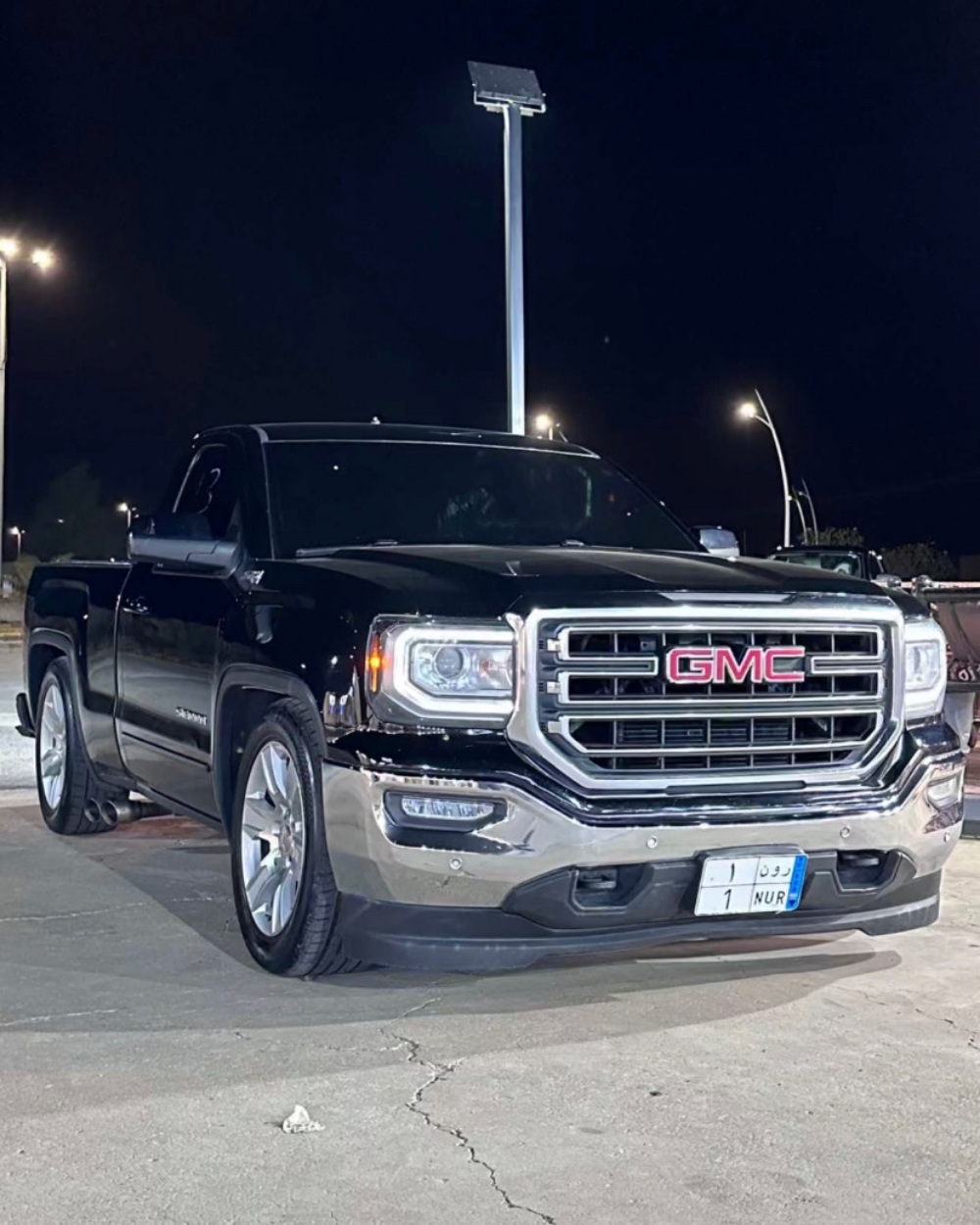
The trouble began when the National Highway Traffic Safety Administration (NHTSA) received more than 1,000 complaints alleging premature failures of the 6.2-liter L87 V8 engine used in a range of popular GM vehicles, including the Chevrolet Silverado 1500, GMC Sierra 1500, Chevy Tahoe and Suburban, GMC Yukon, and Cadillac Escalade. NHTSA’s investigation revealed problems with critical internal components such as the crankshaft, bearings, and connecting rods, which could lead to catastrophic engine failure and loss of propulsion. In response, GM issued a recall in April 2025 affecting nearly 600,000 trucks and SUVs. (Yahoo Autos)
While the recall clearly acknowledged a safety issue, plaintiffs in multiple lawsuits argue that GM’s proposed remedy — primarily switching to a higher-viscosity engine oil — is inadequate and fails to address the fundamental design and manufacturing defects in the engines. (Yahoo Autos)
A Growing Tide of Litigation
Shortly after the recall, owners and lessees across the United States began filing lawsuits alleging that the engines were defectively designed and that GM knew about the problems long before the recall. Complaints included claims that replacement engines failed again, owners were stranded by sudden breakdowns, and vehicles lost significant resale value due to the defect. (CarComplaints.com)
As the individual lawsuits multiplied, the legal process risked fragmenting into a dozen or more separate actions — each requiring similar evidence and expert testimony. To avoid this inefficiency and to ensure coordinated pretrial procedures, a federal judge in the Eastern District of Michigan consolidated these cases into a single, nationwide class action, centered on the original Powell lawsuit filed earlier this year. (CarComplaints.com)
The consolidated docket now includes at least a dozen related complaints from different jurisdictions, all alleging similar defects and seeking damages and corrective measures. Among the cases folded into the larger proceeding are Powell v. General Motors, Hernandez v. General Motors, Hecht v. General Motors, and others. (CarComplaints.com)
The Crux of the Claims
At the heart of the consolidated litigation are several legal theories, including:
- Design and manufacturing defect allegations, asserting the engine’s internal components are fundamentally flawed. (LawGud)
- Failure to warn and concealment claims, arguing GM knew about persistent engine issues but delayed disclosure and recall. (LawGud)
- Inadequate recall remedy, with plaintiffs contending that the oil-change fix doesn’t eliminate the risk of catastrophic failure. (LawGud)
- Breach of warranties and economic loss, claiming owners suffered financial harm due to diminished vehicle value and repair costs. (LawGud)
Legal observers note that consolidating these actions not only simplifies litigation logistics but also allows plaintiffs to pool resources, coordinate expert testimony, and potentially seek class certification on behalf of all affected owners nationwide. (CarComplaints.com)
What This Means for GM and Owners
For General Motors, the consolidation elevates what might have been a series of local disputes into a singular, high-profile federal battle. The litigation could expose the company to substantial monetary damages, extended warranty obligations, and pressure to implement more robust repair solutions beyond the current recall. (Yahoo Autos)
For owners of the affected trucks and SUVs, the unified case presents an opportunity to seek collective redress rather than navigating disparate proceedings. If the plaintiffs prevail on class certification and eventually on the merits, owners could recover compensation for diminished vehicle value, repair costs, and potentially other losses tied to the engine defect. (CarComplaints.com)
Perhaps most importantly, the litigation may influence how automakers and regulators approach future recalls. A ruling that the recall remedy was inadequate could prompt stricter standards for defining and remedying safety defects, particularly for complex mechanical systems like modern internal combustion engines. (Yahoo Autos)
Conclusion
What began as a massive recall intended to address safety concerns has morphed into a monumental legal confrontation for General Motors. By consolidating multiple class action lawsuits into a single federal case, the courts have set the stage for a comprehensive examination of whether GM’s handling of the L87 V8 engine defects was sufficient or whether the automaker fell short of its obligations to customers and regulators.
As discovery unfolds and legal arguments sharpen, the case may become a bellwether for automotive recall litigation — potentially reshaping expectations for manufacturers, owners, and safety oversight alike. For GM, the outcome will be more than a liability calculation; it will test its commitment to accountability in the face of a defect that touches hundreds of thousands of vehicles on the road today. (CarComplaints.com)
Subscribe for Full Access.


