
Class Action Lawsuit | World | Business
Introduction: Uncertain Future for Car Maker
Honda’s long-running steering-defect controversy is entering a critical new phase as a consolidated class-action lawsuit pushes toward 2026, raising questions not only about the company’s handling of safety issues but also about its reputation and market stability on a global scale. Despite issuing a massive recall affecting 1.7 million vehicles across the Honda and Acura brands, plaintiffs argue that the automaker knew about the defect for years and failed to act sooner. The lawsuit, now equipped with newly extended deadlines, signals that the issue will continue to shadow one of the world’s largest car manufacturers.
A Defect That Sparked a Massive Recall
In late 2024, Honda issued one of its largest recalls in recent years after regulators linked steering problems to manufacturing inconsistencies in the steering gearbox assembly. Drivers reported “sticky,” stiff, or momentarily unresponsive steering — an unnerving sensation that could occur at highway speeds or after prolonged driving.
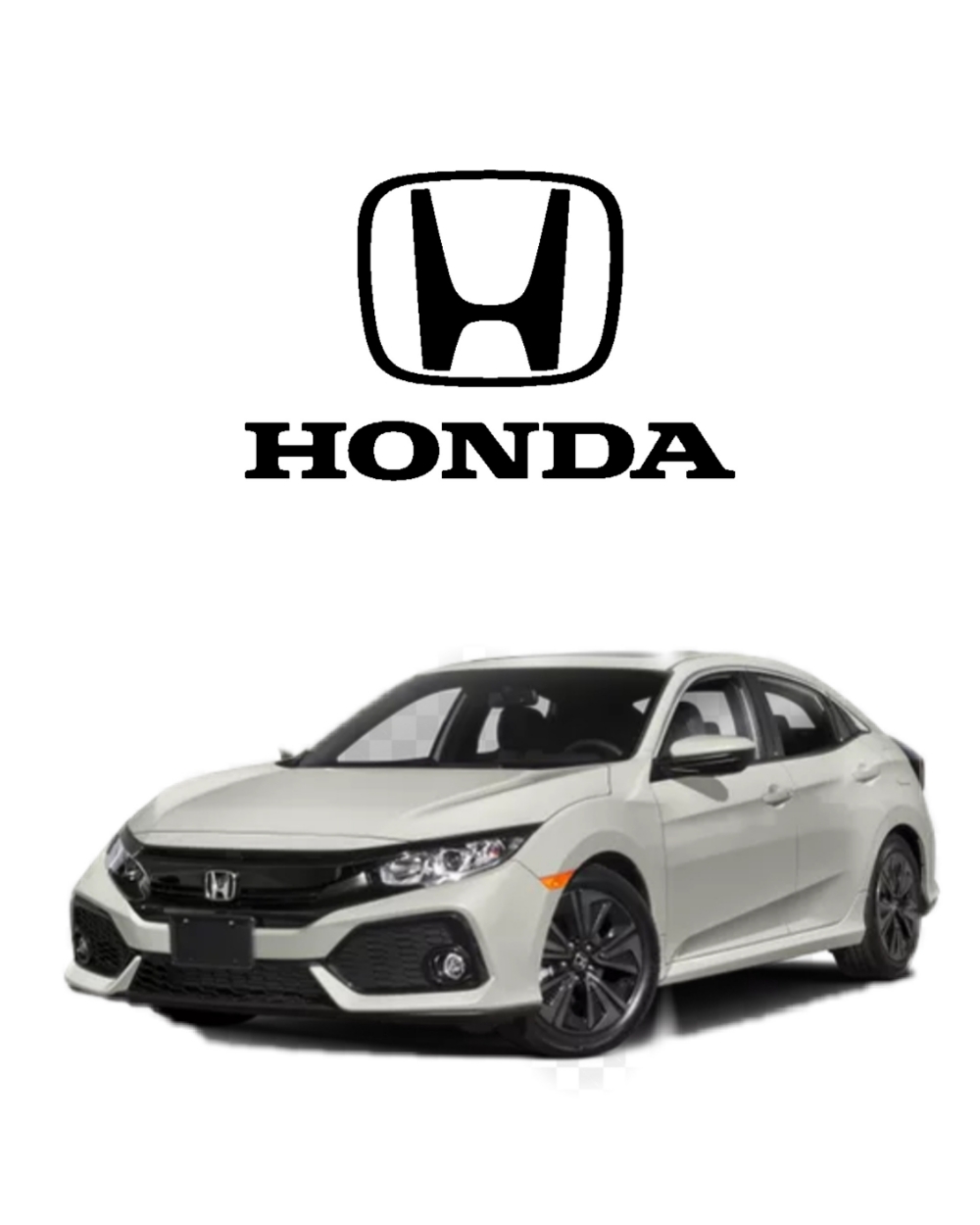
The recall covered high-volume models including the Honda Civic, CR-V, HR-V, and Acura Integra, spanning model years 2022 through 2025. The defect stemmed from improperly processed worm-wheel components and excessive spring preload, causing internal friction in the steering system. Honda responded by offering free repairs, including replacing the preload spring and reapplying lubrication.
Why the Lawsuit Persists
Although Honda completed the recall and regulators ultimately closed their investigation, the legal battle is far from over. The consolidated lawsuit claims:
- Honda knew about the issue at least as early as 2021 through internal data and warranty reports.
- The recall solution doesn’t fully resolve the issue under real-world driving conditions.
- Thousands of customer complaints should have prompted earlier disclosure and corrective action.
With new deadlines extending litigation well into 2026, the case now represents one of the most significant consumer-safety challenges Honda has faced in the last decade.
Global Impact: How the Steering-Defect Crisis Affects Honda Worldwide
The consequences of this defect — and the allegations surrounding it — extend far beyond North America. As a global automaker with major markets in Asia, Europe, and South America, Honda faces multi-layered implications.
1. Brand Trust and Consumer Confidence Worldwide
Honda has traditionally enjoyed a strong global reputation for reliability, especially in markets like Japan, the U.S., Canada, and Southeast Asia. A defect tied to a core safety system — steering — threatens that trust.
Even in countries not directly affected by the recall, international news coverage can influence consumer perception. For buyers who prioritize safety above all, questions about Honda’s transparency may weigh heavily.
2. Potential Regulatory Ripple Effects
Other countries’ transportation regulators often respond to major U.S. recalls by re-evaluating similar models sold in their jurisdictions. If more international agencies investigate or demand documentation from Honda, the company may face:
- Additional recalls
- Heightened reporting requirements
- Delays in model approvals
European and Asian safety regulators in particular may demand more stringent pre-release testing data.
3. Supply-Chain and Production Adjustments
Because the steering defect involved manufacturing processes, Honda may need to revise:
- Supplier screening
- QA standards for steering components
- Plant-level annealing and lubrication procedures
- Costly retraining for factory teams
Any disruptions to its supply chain — already strained from recent global shortages — could increase production costs or delay new vehicle launches.
4. Financial Pressure in Competitive Global Markets
Even if Honda ultimately prevails in court, the company faces:
- Legal costs extending into 2026
- Warranty repair expenses
- Potential settlements
- Increased insurance and supplier-liability costs
At a time when automakers are investing heavily in EV development, ADAS technologies, and global electrification strategies, unexpected expenditures can have strategic consequences.
5. Impact on Future EV and Global Strategy
Honda is aggressively expanding its EV plans through partnerships with Sony and other global suppliers. Any erosion of consumer trust or redirection of capital could:
- Slow EV rollout timelines
- Reduce R&D funding
- Affect global market competitiveness
For a company trying to redefine itself in the electrification era, a multi-year legal battle anchored in safety concerns is a costly distraction.
What Comes Next for Honda and Its Customers
As the lawsuit progresses, millions of Honda owners — in the U.S. and beyond — will be watching closely. If plaintiffs succeed in proving that Honda had prior knowledge of the defect or that the recall remedy is insufficient, additional recalls, extended warranties, or settlement programs could follow.
For Honda, the stakes stretch beyond immediate legal exposure. The company’s long-cultivated reputation for reliability, its global production strategy, and its competitive positioning in the rapidly evolving automotive landscape all hinge on how convincingly it addresses the steering-defect issue and restores confidence.
Subscribe for Full Access.


