
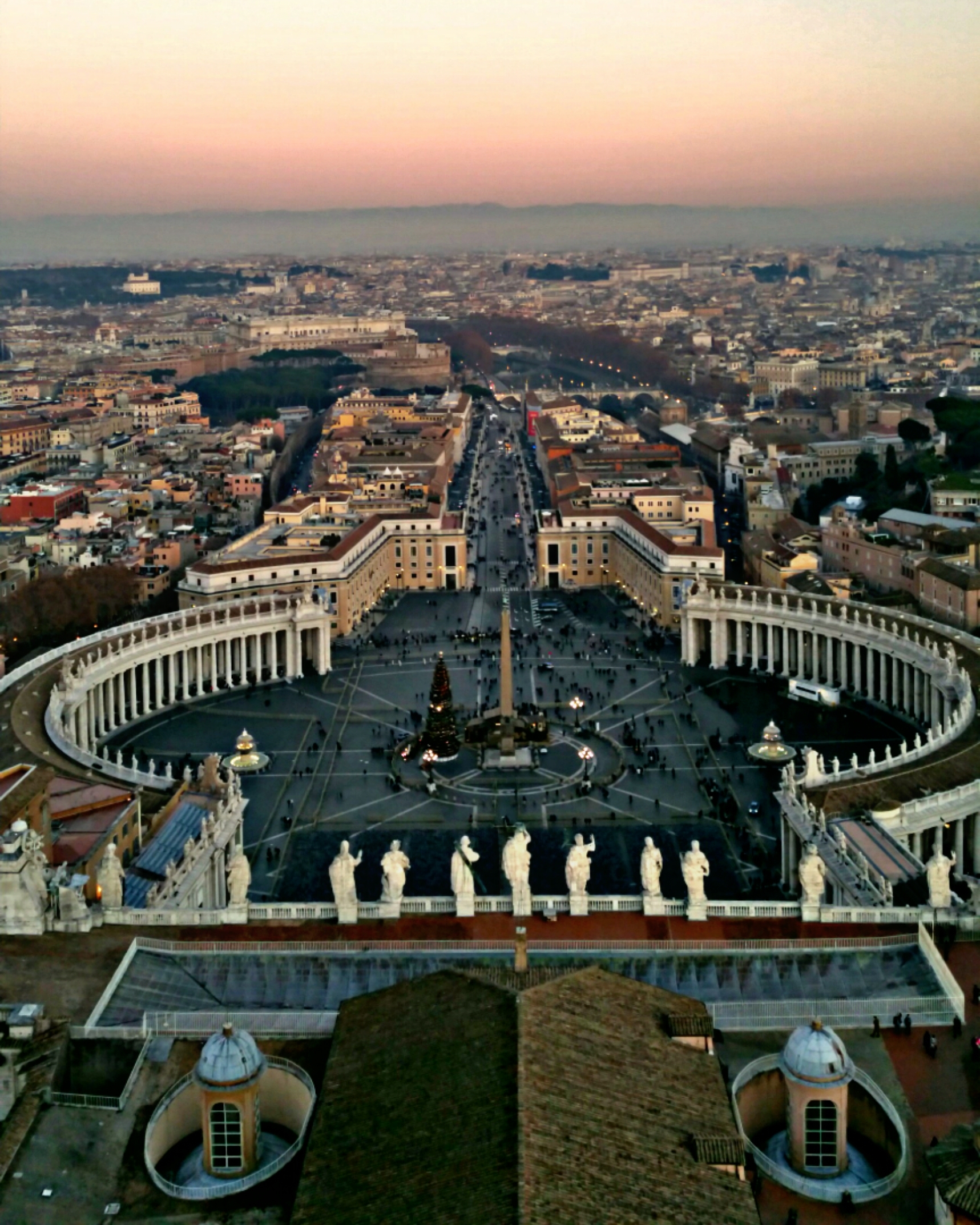
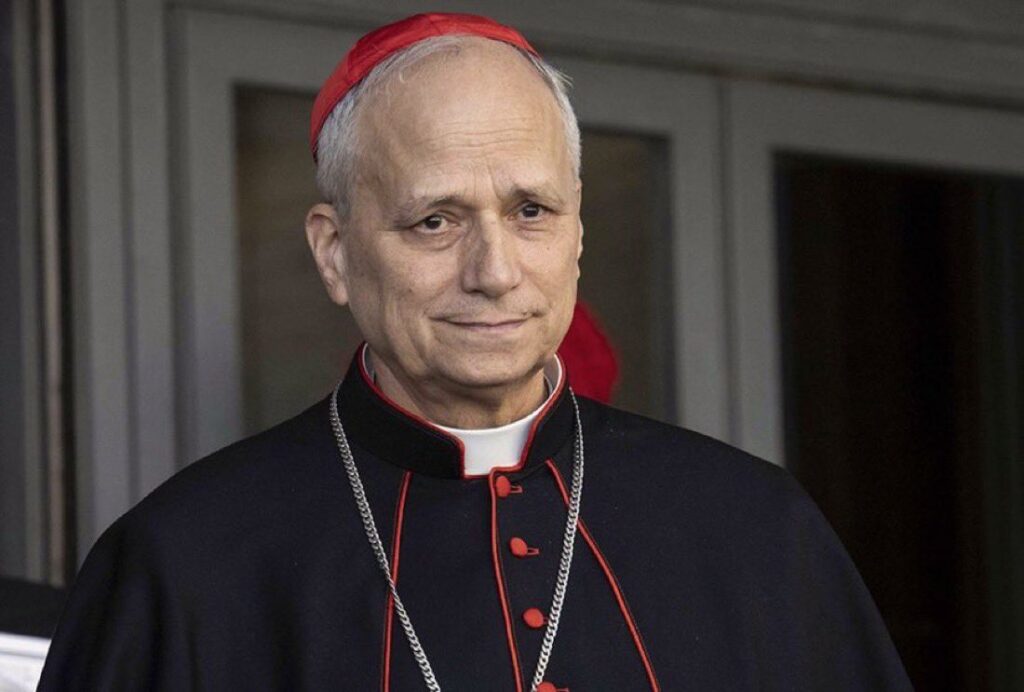
On May 8, 2025, the College of Cardinals elected Cardinal Robert Francis Prevost, an American-born prelate, as the 267th Pope of the Roman Catholic Church.
Assuming the papal name Pope Leo XIV, he becomes the first American to ascend to the papacy—a symbolic and geopolitical milestone not just for the Vatican, but for Catholics and state institutions around the world. His election comes at a time of significant doctrinal tension, global unrest, and growing pressure on the Church to modernize both administratively and theologically.
This article explores the legal, diplomatic, and institutional implications of Pope Leo XIV’s election, with a focus on the future governance of the Vatican City State, international relations, and the evolution of canon law in a rapidly shifting world.
Background: Who Is Pope Leo XIV?
Born Robert Francis Prevost on September 14, 1955, in Chicago, Illinois, Pope Leo XIV is a member of the Order of Saint Augustine. He has held several roles of pastoral and academic significance, including missionary work in Peru, where he was bishop of Chiclayo, and most recently, Prefect of the Dicastery for Bishops and President of the Pontifical Commission for Latin America.
Prevost was made a cardinal by Pope Francis in 2023, reflecting his alignment with Francis’ progressive vision for the Church: one grounded in synodality, social justice, and inclusion. His pastoral experience in Latin America and his American heritage give him a uniquely bicultural lens—a quality that is expected to shape his leadership in a globalized Church.
Vatican Governance and the Legal Role of the Papacy
The pope serves not only as the spiritual leader of the world’s 1.3 billion Catholics, but also as the sovereign head of the Vatican City State, an internationally recognized independent territory established under the 1929 Lateran Treaty. As sovereign, Pope Leo XIV inherits diplomatic responsibilities and administrative duties governed by both canon law and international law.
Key legal powers and responsibilities of the papacy include:
- Legislative authority over Vatican law and canon law
- Appointment of bishops and cardinals globally
- Diplomatic relations with over 180 states
- Oversight of financial and judicial reforms within the Vatican
Under Pope Francis, significant steps were taken to increase transparency in Vatican finances and to reform the Roman Curia. Legal scholars will watch closely to see whether Leo XIV will maintain, deepen, or revise these efforts.
Canon Law and Doctrinal Development
One of the primary challenges for Pope Leo XIV will be guiding the Church through doctrinal debates that have legal and ethical ramifications:
- Same-sex blessings and LGBTQ+ inclusion: Following the 2023 Vatican declaration allowing limited same-sex blessings, Pope Leo XIV will need to clarify doctrinal boundaries in a way that respects Church tradition while engaging contemporary values and human rights law.
- Priestly celibacy and women’s roles: As pressure mounts from progressive Catholic communities, canon lawyers and bishops alike will be watching for signals of reform or reinforcement of traditional Church discipline.
- Sexual abuse accountability: The legal response to abuse continues to define the Vatican’s legitimacy. Leo XIV must balance pastoral care with robust legal action and cooperation with civil jurisdictions, especially as more countries mandate institutional reporting and compliance with state investigations.
- Synodality and lay participation: The pope is expected to continue Pope Francis’ emphasis on synodal governance, which may alter canonical processes to give greater voice to laypeople in Church decision-making—a significant legal shift in ecclesiastical power dynamics.
Implications for Vatican City and Diplomatic Relations
As a sovereign entity, Vatican City is unique in its legal status. Pope Leo XIV’s election may influence:
- U.S.–Vatican diplomacy: His American origins may strengthen ties with the United States while posing challenges in distancing the Vatican from perceived geopolitical favoritism.
- Interfaith dialogue and religious diplomacy: Given the ongoing conflicts in Ukraine, the Middle East, and Sudan, the pope’s role as a neutral moral authority is critical. His ability to mediate and respond to humanitarian crises will have legal and diplomatic significance, particularly in relation to international humanitarian law and Vatican-sponsored NGOs.
- Migration and climate advocacy: As a continuation of Pope Francis’ legacy, Leo XIV is expected to maintain the Vatican’s strong advocacy on behalf of migrants, refugees, and environmental stewardship—positions that often place the Church at odds with nationalist legal frameworks.
The Future of the Church and Global Catholic Law
The election of Pope Leo XIV signals a continued shift toward global Catholicism—a recognition that the Church’s center of gravity is no longer European, but decisively international. Legal institutions within the Church may be restructured to reflect this, including:
- Curial decentralization: Empowering regional episcopal conferences with greater canonical authority.
- Digital canon law: Developing updated protocols on AI, digital sacraments, and virtual worship in response to technology’s impact on pastoral care.
- Education and human rights law: Promoting Catholic legal education and humanitarian missions in underserved regions, particularly in the Global South.
Conclusion
The election of Pope Leo XIV is a historical and legal watershed for the Catholic Church. As the first American pope, his leadership will be viewed through a global lens, shaped by transnational expectations of reform, transparency, and unity. For legal professionals—whether specializing in religious institutions, international diplomacy, or human rights—his papacy presents new challenges and opportunities.
Canon lawyers, civil litigators handling abuse or Church property cases, and diplomats working with the Vatican must be prepared for evolving norms under a pope who understands both the machinery of Roman tradition and the demands of a complex, modern world.
Subscribe for Full Access.


