| IP Law | Branding & Copyright | Media & Entertainment
Introduction: The Resurrection Business of IP
Hollywood is full of reboots, and the public domain is full of possibilities. From forgotten 1940s comic book heroes to mid-century pulp detectives, dormant characters are being dusted off, reimagined, and re-commercialized. Yet beneath the nostalgia lies a legal minefield: not all characters are free to use, and not all renewals were filed correctly.
In an era when studios, game developers, and streaming platforms are looking for low-cost, pre-existing IP, navigating the rules around copyright duration, renewal, and public domain status is more essential and more complex than ever.
This article explores how copyright duration laws affect dormant characters, the common renewal pitfalls creators face, and the legal and business risks of reviving old intellectual property without proper diligence.
I. Copyright Duration 101: How Long Does Protection Last?
Understanding when a character enters the public domain begins with knowing when—and how—it was published.
For Works Published Before 1978:
- Published with proper notice: Protected for 28 years from publication, with a renewal term of 67 years (if renewed properly), totaling 95 years of protection.
- Failure to renew during the 28th year results in the work falling into the public domain.
Example: A comic published in 1940 but not renewed in 1968 is now in the public domain. One that was renewed would still be protected until 2035.
For Works Created on or After January 1, 1978:
- Copyright lasts for the life of the author + 70 years (for individual authors).
- For works made for hire (corporate authorship), the term is 95 years from publication or 120 years from creation, whichever is shorter.
Example: A cartoon character created by a studio and published in 1985 is protected until at least 2080, assuming no early termination or errors.
II. The Renewal Trap: When Rights Are Lost by Inaction
From the 1920s through the 1960s, many creators and small publishers failed to properly file renewal registrations—often due to oversight, bankruptcy, or the belief that a character was no longer valuable.
Common Renewal Pitfalls:
- Missed renewal deadline (must be filed in the 28th year from publication)
- Renewing the wrong version or only part of a work (e.g., renewing the story but not the artwork)
- Assigning rights but failing to update the Copyright Office
- Failure to account for derivative rights or character-specific protection
Case in point: A golden-age superhero may appear to be public domain, but if only certain issues weren’t renewed while others were, use of the character may trigger partial infringement claims.
III. Characters vs. Stories: A Legal Distinction
Even if a specific work is in the public domain, characters may still be protected—either through:
- Subsequent, copyrighted iterations
- Trademark rights (as source identifiers, not just creative expression)
- Character copyrightability under the Nichols and Anderson v. Stallone standards
Legal Insight: Under U.S. law, a character must be “distinctively delineated” and “consistently expressed” to receive copyright protection separate from the story.
So while early depictions of a character may enter the public domain, modern versions—costume, lore, backstory—may remain protected.
IV. Due Diligence Before Reviving Dormant IP
Before greenlighting a reboot or adaptation, conduct a comprehensive chain-of-title review, including:
1. Publication and Renewal Records
- Search the U.S. Copyright Office’s physical and online catalog
- Review publication dates, rights holders, and renewal filings
- Look for partial renewals or ambiguous claims
2. Derivative Use and Character Evolution
- Identify whether modern elements are separately protected
- Compare visual and narrative differences between old and new versions
3. Trademark Filings
- Search the USPTO for live trademarks associated with the name, logo, or stylized character design
- Determine whether a character has secondary meaning or active merchandising use
V. Case Studies: The Public Domain and the Fine Print
Case 1: Sherlock Holmes
The original Sherlock Holmes stories published before 1923 are public domain. However, the Conan Doyle Estate claimed that Holmes’ emotional development, which appeared in later stories, was still protected—leading to litigation over derivative works like Enola Holmes.
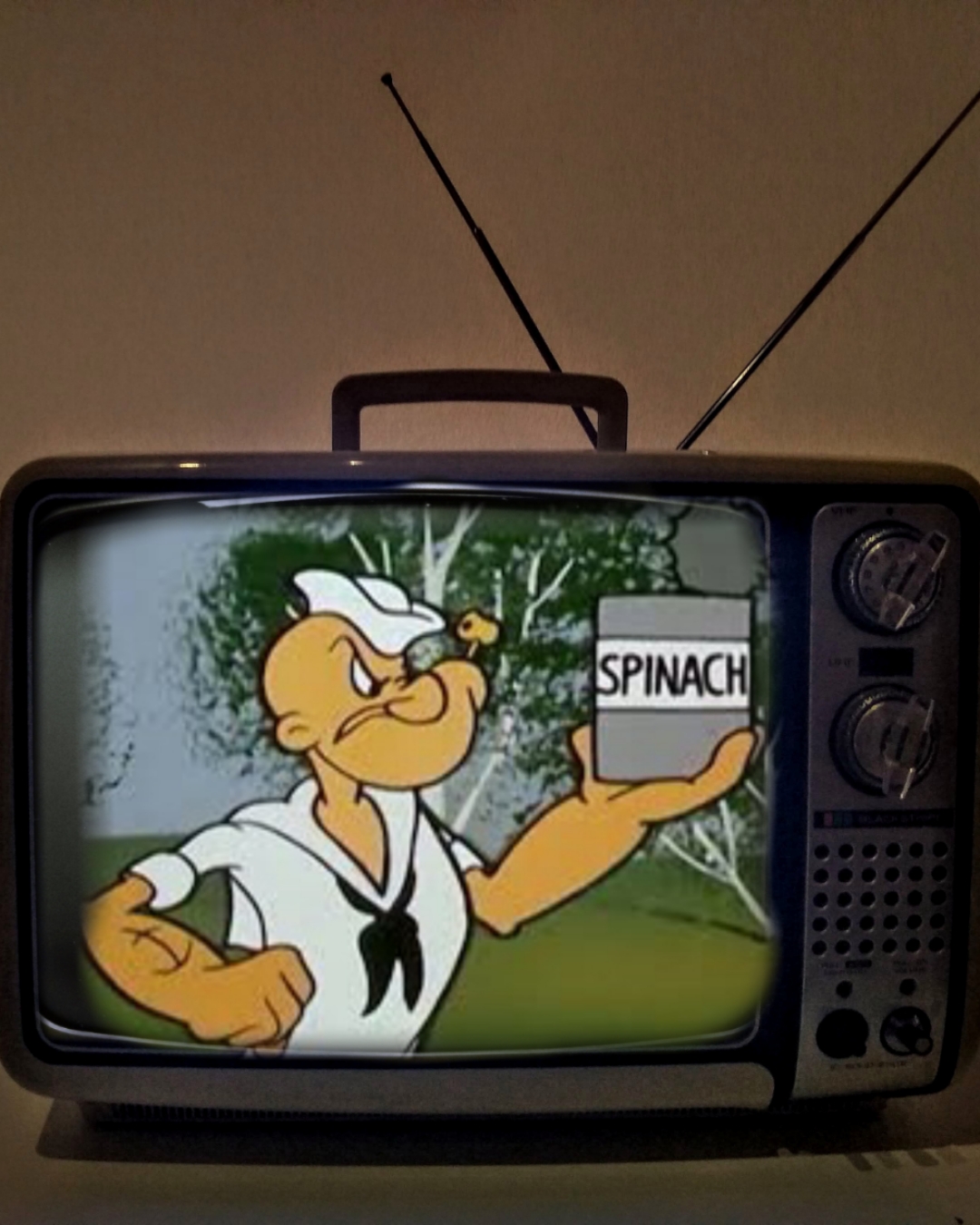
Case 2: Popeye
The early 1929 version of Popeye the Sailor entered the U.S. public domain in 2009. But various elements, including cartoon theme music, catchphrases, and stylized visuals, remained under copyright or trademark protection.
Case 3: Golden Age Comics
Dozens of 1940s comic book characters fell into the public domain due to missed renewals, including some characters now repurposed in indie comics. Yet creators must ensure they only use early versions and avoid infringing on protected modern reboots.
VI. Termination Rights: Another Wrinkle
Even when copyrights were properly renewed, U.S. law allows authors or their heirs to terminate assignments made prior to 1978 after a fixed period—usually 35 to 40 years later (under 17 U.S.C. § 203).
This means that even if a studio believes it owns full rights to a dormant character, heirs may attempt to reclaim those rights, especially if a reboot becomes lucrative.
VII. Best Practices for IP Owners and Developers
To minimize legal risk and maximize opportunity:
1. Audit Your IP Library
Studios should perform internal audits of legacy properties to confirm renewal status, chain of title, and termination risk.
2. Invest in Clearance Counsel
Before launching a revival, hire counsel experienced in copyright duration analysis and derivative rights clearance.
3. Create Your Own Version (Carefully)
If using a public domain character, develop an original take with:
- New narrative elements
- Distinctive character designs
- A new brand identity that can be copyrighted and trademarked
Tip: This is how Disney reimagined public domain fairy tales into its own protectable versions.
Conclusion: Nostalgia Isn’t Risk-Free
Reviving dormant characters can be a brilliant creative and commercial strategy—but the legal terrain is often more treacherous than it seems. Missed renewals, fuzzy character rights, and lurking trademarks mean that a nostalgic reboot can quickly become a litigation trap.
In the gold rush for low-cost IP, one principle remains gold-standard: don’t assume it’s public domain just because it’s old. Do the research, secure the rights, and when in doubt—clear it before you revive it.
Subscribe for Full Access.