
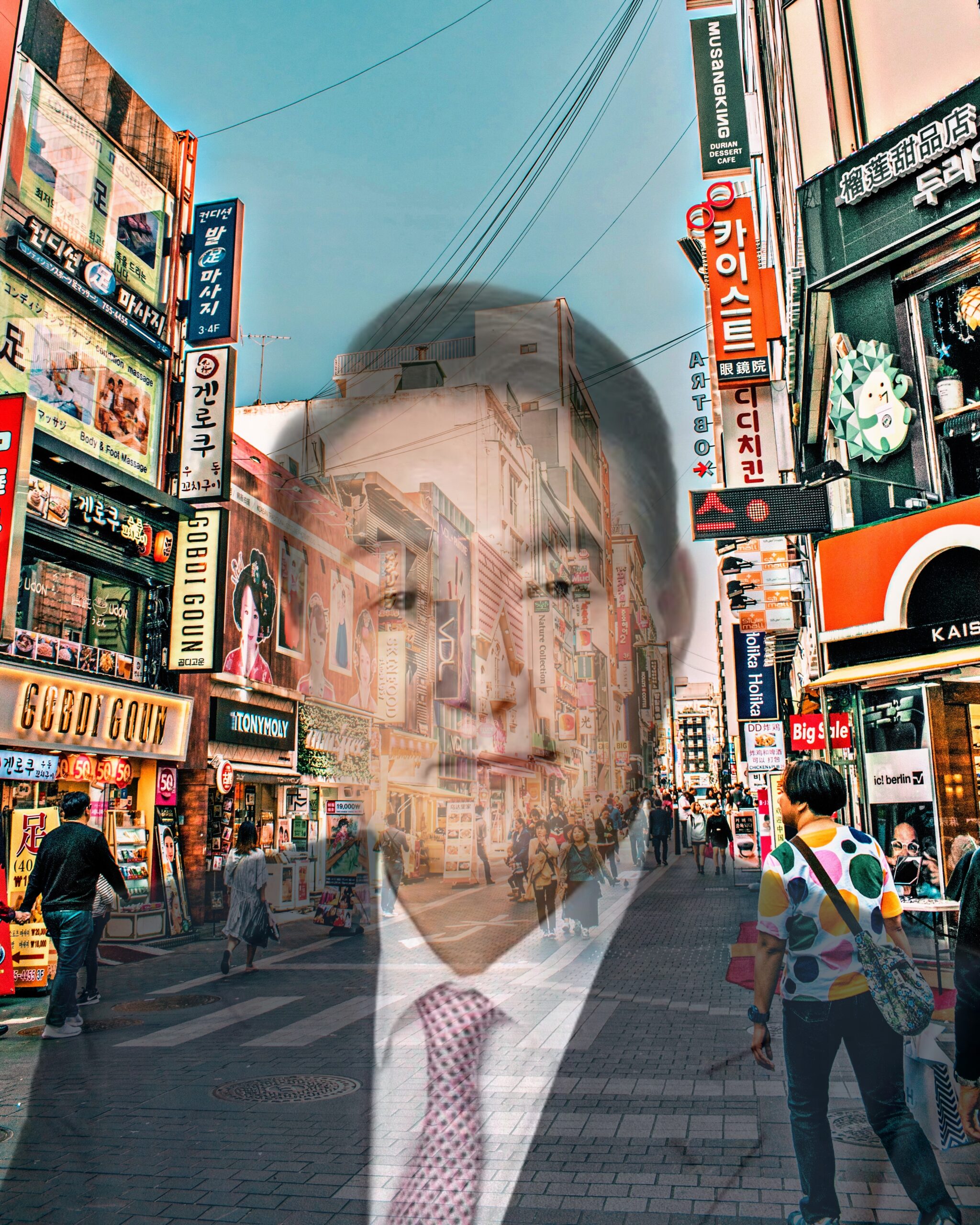
In a seismic ruling that has stunned observers both domestic and international, South Korea’s Constitutional Court has permanently removed President Yoon Suk Yeol from office, citing abuse of power in his unprecedented declaration of martial law last December.
In a seismic ruling that has stunned observers both domestic and international, South Korea’s Constitutional Court has permanently removed President Yoon Suk Yeol from office, citing abuse of power in his unprecedented declaration of martial law last December.
The decision marks a critical moment in the legal and democratic history of South Korea—a nation widely admired for its orderly democracy, global cultural influence, and advanced technological landscape.
This ruling not only dismantles Yoon’s presidency, but also underscores the enduring power of constitutional governance in confronting executive overreach—even in one of Asia’s most advanced democracies.
The Legal Catalyst: Martial Law and a Constitutional Breach
President Yoon declared martial law amid widespread political unrest sparked by corruption allegations, economic turmoil, and plunging public confidence. Invoking national security and civil disorder, the president suspended civil liberties, deployed military forces domestically, and consolidated executive authority in defiance of South Korea’s constitutionally protected democratic institutions.
The Constitutional Court, acting on petitions from lawmakers and civil society groups, found that Yoon had violated Articles 1 and 76 of the South Korean Constitution, which guarantee democratic governance and restrict emergency powers. In its judgment, the Court emphasized that martial law was invoked not as a last resort, but as a strategic maneuver to suppress opposition and retain control, amounting to a grave abuse of executive authority.
The ruling was unanimous—a reflection of the judiciary’s firm commitment to the rule of law, and a signal that no office, not even the presidency, is above constitutional limits.
Precedent and Democratic Resilience
This is only the second time a sitting South Korean president has been removed from office—the first being the impeachment of Park Geun-hye in 2017 for bribery and corruption. However, Yoon’s ousting is unprecedented in its legal basis: a constitutional violation grounded in authoritarian overreach, not financial scandal.
From a legal industry perspective, the case will likely be studied for decades to come as a benchmark for constitutional enforcement, especially in democratic systems where emergency powers may be prone to abuse. It reaffirms the primacy of the Constitutional Court in South Korea’s separation of powers and strengthens the global perception of its judiciary as fiercely independent.
What’s Next: Political Transition and Legal Reform
With the presidency now vacant, an interim administration is being formed under the Prime Minister, and new elections are scheduled within 60 days, in accordance with constitutional procedure. Political analysts expect a polarizing and high-stakes campaign, with parties rebranding themselves as defenders of democracy and constitutional order.
Legal experts anticipate a wave of reforms to further clarify the limits of martial law declarations, tighten executive emergency powers, and bolster institutional safeguards. South Korea’s National Assembly is expected to propose new legislation regulating civil-military boundaries, transparency in executive decision-making, and more stringent oversight of presidential authority during national crises.
Global Ramifications
The ousting of Yoon Suk Yeol sends a powerful message across the region and the world: even in times of perceived instability, democratic constitutions can withstand autocratic impulses—provided there are institutions strong enough to defend them.
This legal and political reset may strengthen South Korea’s global standing as a resilient democracy, though the short-term path will likely be fraught with public anxiety, political fragmentation, and legal recalibration.
Conclusion: A Constitutional Victory, A Democratic Test
South Korea’s removal of President Yoon marks a victory for constitutionalism and judicial integrity, but the country now enters a period of democratic testing. The next administration will not only be tasked with restoring public trust, but also with ensuring that legal frameworks are fortified against future abuses of power.
For legal professionals and democratic governments worldwide, the message is both cautionary and inspiring: even in the face of executive overreach, the rule of law can prevail—if institutions are empowered, and the constitution is upheld.
Subscribe for Full Access.


