
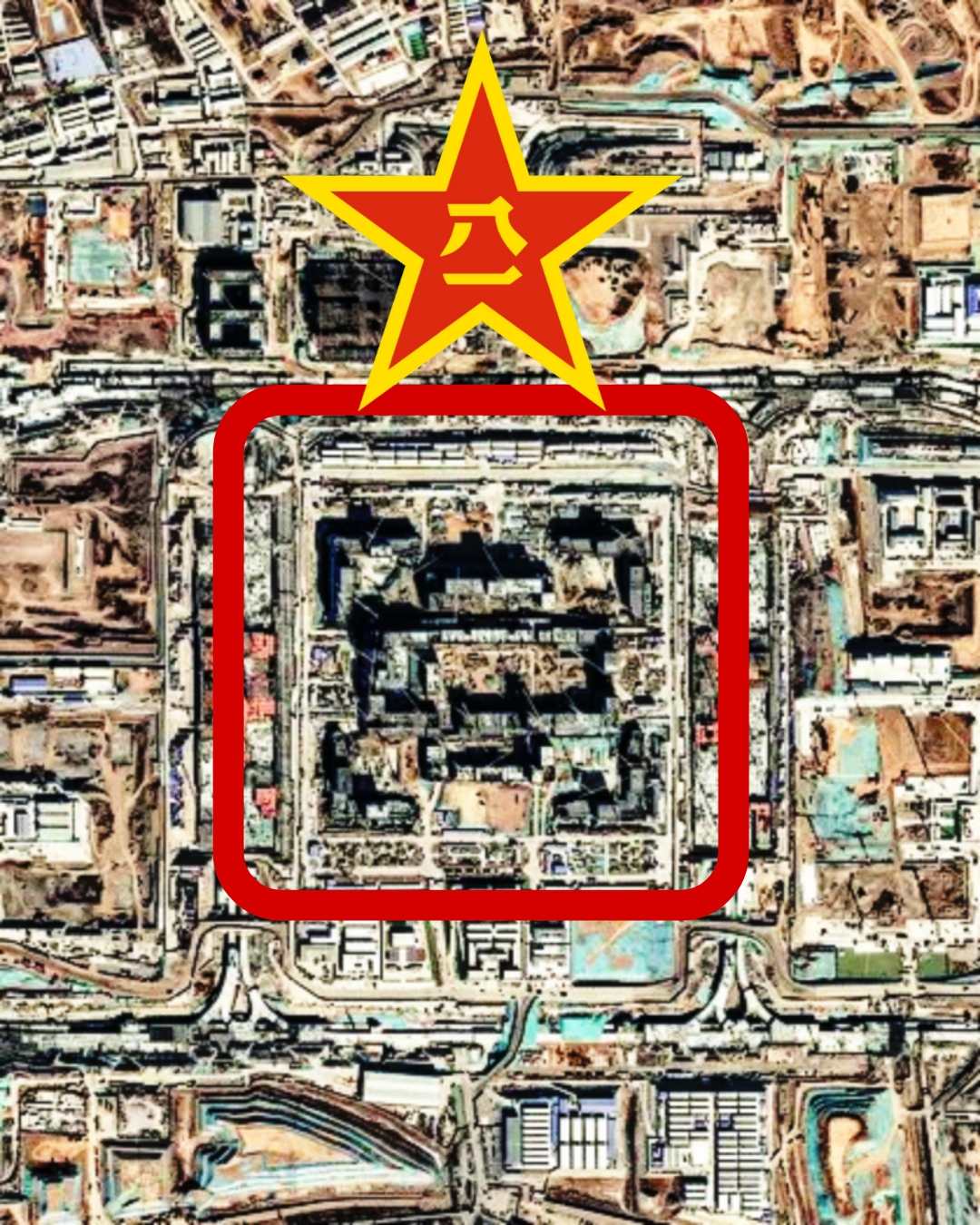
In mid-2024, satellite imagery and intelligence reports revealed that China is constructing what is expected to be the world’s largest military command center on a sprawling 1,500-acre site southwest of Beijing.
Known informally as the “Beijing Military City,” this facility, once complete, will be over ten times the size of the Pentagon. The development raises pressing questions about the future of international law, regional military balance, and global security. It also calls into focus the current lack of binding global frameworks that can prevent unilateral military expansion with potentially destabilizing effects.
Implications for International Law
Despite its scale and strategic significance, the construction of a domestic military facility does not, on its face, violate international law. Sovereign states are generally free to build military infrastructure within their own territories. However, this freedom exists within a fragile ecosystem of treaties, customary international law, and strategic trust.
Key concerns include:
- Lack of Transparency: China’s refusal to publicly disclose the purpose and scope of the facility undermines global norms regarding military transparency, especially for nuclear-capable states.
- Nuclear Non-Proliferation Treaty (NPT) Ambiguities: While the NPT governs nuclear weapons development and deployment, it lacks provisions restricting the construction of wartime command centers, even those that may support first-strike strategies.
- Undermining Arms Control Norms: This development could fuel an arms race in Asia, weakening the spirit of treaties like the Strategic Arms Reduction Treaty (START) and the Comprehensive Nuclear-Test-Ban Treaty (CTBT), even though China is not a party to all such agreements.
Regional Military Balance and Strategic Stability
China’s new command center is more than symbolic — it reflects a strategic pivot towards hardening command-and-control in preparation for potential high-intensity conflict. This shift has serious implications for Asia-Pacific stability:
- Escalation Risk: The hardened and possibly nuclear-hardened nature of the complex may suggest an operational doctrine that includes survivability in first-strike or retaliatory scenarios, raising tensions with the United States, India, Japan, and Taiwan.
- Shift in Deterrence Posture: The facility could be part of China’s effort to move from minimal deterrence to a more aggressive, assured second-strike capability, complicating existing security doctrines in the region.
- Regional Arms Buildup: Japan, South Korea, Australia, and India may respond by enhancing their own military readiness, investing in early-warning systems, missile defense, or even reconsidering their nuclear postures.
Global Security Consequences
The global implications of this construction are profound:
- Crisis Management Challenges: In a future conflict scenario, the existence of such a large, protected command center may embolden military planners, increasing the likelihood of miscalculation.
- Cyber and Space Warfare: As command-and-control becomes more fortified physically, cyber and satellite systems may become more attractive targets, dragging warfare into new and less-regulated domains.
- Erosion of Trust-Based Security Models: This development exemplifies a trend toward military unilateralism, weakening the global security architecture built on norms, diplomacy, and arms control.
The Legal and Policy Gap: What Laws Are Needed?
To address these risks, the international community must consider new legal frameworks or norms, including:
- Military Transparency Accords: Building on OSCE and UN frameworks, states should be required to report large-scale military infrastructure projects, particularly those designed for wartime use.
- Strategic Infrastructure Disclosure Protocols: Similar to the Hague Code of Conduct against Ballistic Missile Proliferation, states could be asked to notify the global community when constructing major command facilities.
- Cyber-Military Oversight Treaties: Given the likelihood that such centers are integrated with AI and cyberwarfare systems, new treaties should govern military cyber infrastructure transparency and fail-safes.
- Asia-Pacific Arms Control Mechanism: A regional framework akin to NATO-Russia accords should be developed to reduce military miscalculations between China and its neighbours.
Conclusion: Changing Global Order on the Horizon
China’s new military command center is a symbol of a changing global order, where great powers are investing in resilient command structures to survive and prevail in future wars. While states have the sovereign right to build defensive infrastructure, the global community has a responsibility to ensure such developments do not lead to instability or conflict. Only through updated legal frameworks and renewed diplomacy can a balance be struck between national security and collective global safety.
Subscribe for Full Access.


