


The Trump Administration’s re-engagement with U.S. foreign economic policy has reignited long-standing debates about the potential for conflicts of interest when a sitting president or their family maintains active control over substantial private business interests. Introduction A recent example is the Trump Organization's groundbreaking of a $1.5 billion luxury golf resort in
SOCIETY
SOCIETY NEWS
Global Debt Crisis: Implications and Legal Measures to Prevent Financial Collapse

In recent years, global debt has reached unprecedented levels, a trend that poses significant challenges for the global economy. According to the International Monetary Fund (IMF) and World Bank, global debt has surged past $300 trillion, equivalent to over 350% of global GDP. This massive accumulation of debt is not
The Arctic’s Evolving Strategic Importance: Legalities and Geopolitical Implications

As climate change accelerates, the Arctic region is undergoing profound transformations that are reshaping global geopolitical dynamics. Ice is melting at an unprecedented rate, opening new shipping lanes and uncovering vast reserves of natural resources, including oil, natural gas, and rare earth minerals. The implications for global trade, security, and economic
Future Climate Change Laws: Protecting Food Systems for a Sustainable Future

As the world grapples with the growing threat of climate change, the stability and resilience of global food systems are becoming increasingly vulnerable. Extreme weather events, shifting climate patterns, rising temperatures, and more frequent droughts and floods pose significant risks to food production, availability, and distribution. These disruptions not only
Trojan Horse Revisited: Implications of Qatar’s $400 Million Gift to the Trump Administration

In 2025, the Trump administration faced scrutiny over reports that it was set to receive a luxury Boeing 747-8 aircraft from the Qatari royal family. Valued at around $400 million, the jet was intended to serve as a temporary Air Force One and would reportedly be donated to Trump's presidential library
Pope Leo XIV: A Global Turning Point for the Catholic Church

On May 8, 2025, the College of Cardinals elected Cardinal Robert Francis Prevost, an American-born prelate, as the 267th Pope of the Roman Catholic Church. Assuming the papal name Pope Leo XIV, he becomes the first American to ascend to the papacy—a symbolic and geopolitical milestone not just for the
Legal Industry Insight: The Urgent Need for Defining ‘Humane’ Farming in Meat Production

The Illusion of "Humane" Meat: Walk into any grocery store today and you’ll find meat labeled as “humanely raised,” “ethical,” “cage-free,” or “pasture-raised”, but is it? These terms suggest a level of care and compassion in animal agriculture that resonates with increasingly conscious consumers. But behind this marketing language lies a
Solar Grazing and Legal Synergy: Building a Framework to Protect Animals and the Planet
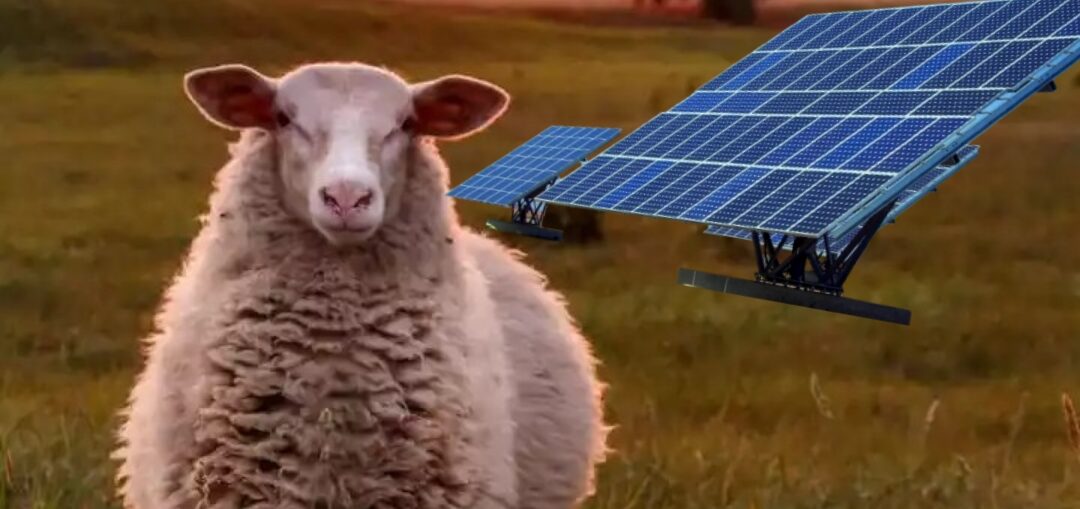
Introduction: A New Frontier for Sustainable Coexistence An unexpected partnership between livestock and solar power has emerged as a beacon of environmental innovation. Known as solar grazing, this practice allows sheep to roam beneath solar panels, controlling vegetation naturally while benefiting from shade and shelter. As this model gains global traction,
Defunding Public Broadcasting: Legal, Constitutional, and Democratic Implications of the White House–NPR/PBS Clash

On May 1, 2025, the White House issued a controversial executive order directing the Corporation for Public Broadcasting (CPB) to immediately halt all federal funding to National Public Radio (NPR) and the Public Broadcasting Service (PBS). Framed as an effort to end "taxpayer subsidization of politically biased media," the order
The Lipstick Effect: A Mirror to Economic Distress and Social Shifts — Legal Industry Implications

As global markets face rising inflation, geopolitical tensions, and shifting labor dynamics, consumer behavior offers surprisingly accurate signals of economic health. One such phenomenon—the lipstick effect—is drawing renewed attention not only among economists and marketers but also within the legal and policy spheres. Originally observed by Estée Lauder’s Leonard Lauder