Theme Park Law | Business Negligence Lawsuit | Society
The Unlikely Collision
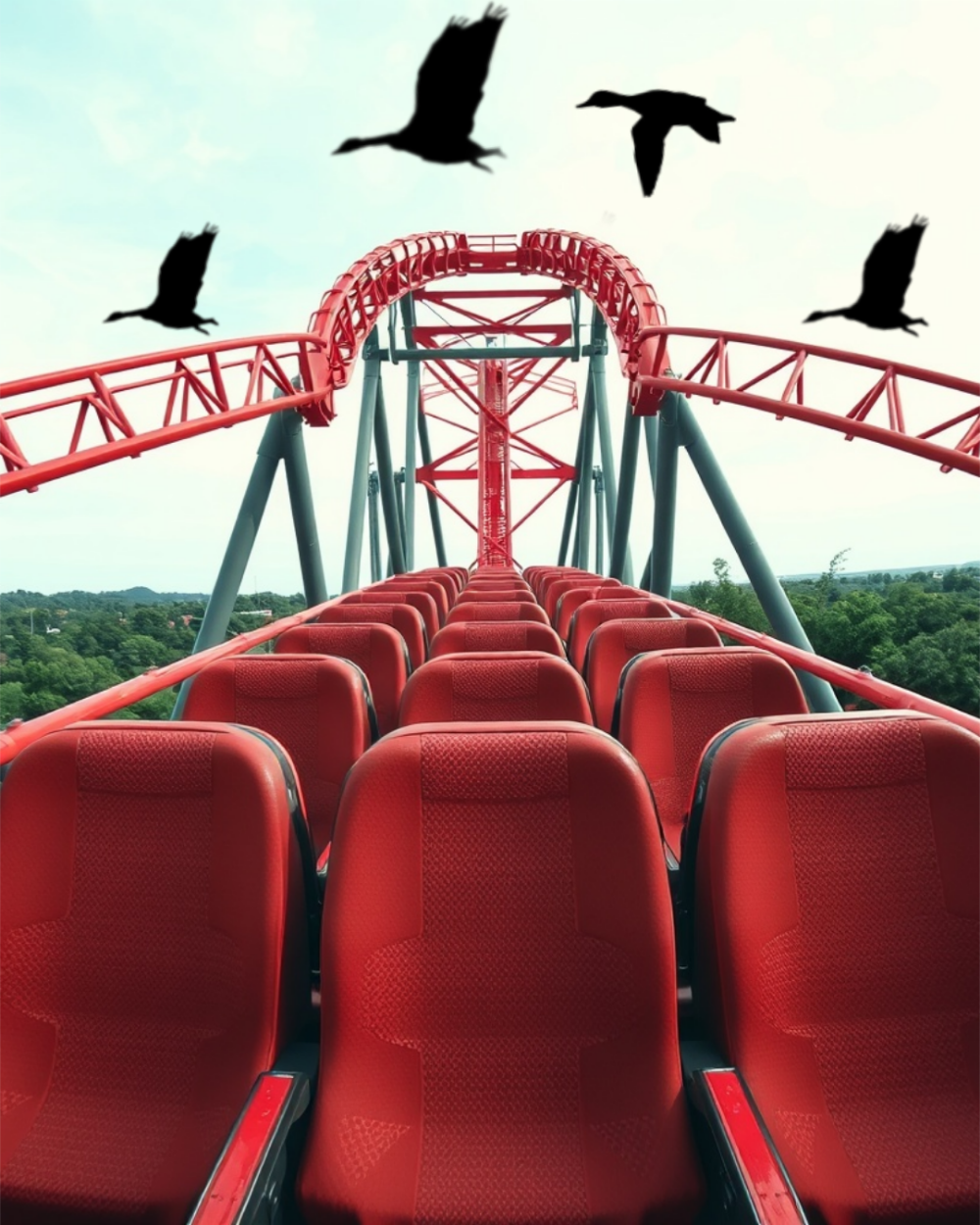
On March 24, 2025, a Florida woman alleges she experienced a theme-park outing gone wrong at SeaWorld Orlando. According to her complaint, while riding the park’s signature coaster the Mako — which soars up to 200 feet and reaches speeds of 73 mph — she was struck in the face by a duck. The bird, she claims, entered the coaster’s path and knocked her unconscious. (WESH)
Represented by the law firm Morgan & Morgan, the plaintiff (identified as Hillary Martin) filed suit in Orange County, Florida, pleading negligence and seeking trial by jury. She seeks at least $50,000 in damages for physical injury, permanent impairment, mental suffering, disfigurement and loss of earning capacity. (People.com)
Legal Basis: Premises Liability Meets the Animal Kingdom
Duty and Invitee Status
As a paying guest on the ride, the plaintiff is classified as a business-invitee. Under Florida law, this obliges SeaWorld to maintain its premises in a reasonably safe condition and to warn of known hazards. The complaint argues SeaWorld breached that duty:
- The coaster is built over or adjacent to a body of water frequented by ducks, geese and gulls.
- The coaster’s speed and configuration “disorient” waterfowl and heighten the risk of bird-strike collisions.
- SeaWorld allegedly knew or should have known about prior incidents or near-strikes and failed to take preventative action or warn riders. (WESH)
Foreseeability & “Zone of Danger”
Central to the claim is the concept that SeaWorld created a “zone of danger” by placing the high-speed attraction where bird strikes are more likely. If the court agrees that bird collisions were foreseeable given the ride’s location, design and surroundings, then liability may follow.
Assumption of Risk/Extraordinary Event
SeaWorld will likely respond that a duck randomly entering a coaster trajectory is an unusual event, not one for which the park is legally responsible. The defense may argue that the risk of wild-bird impacts is inherent in outdoor rides and not reasonably preventable without extraordinary measures.
Causation & Damages
The plaintiff must show that: (1) the bird strike caused her loss of consciousness and injury; (2) those injuries are measurable (medical costs, lost wages, ongoing impairment); and (3) SeaWorld’s alleged negligence was a proximate cause of those injuries.
Why This Case Matters for Theme-Park Operators & Risk Managers
Wildlife Risk in Ride Design
Theme parks commonly situate thrill rides near water features and open sky. This lawsuit underscores the need for wildlife hazard assessments when designing attractions: bird strike risk is real. Operators may need to evaluate coaster paths, speed profiles, proximity to bird habitats, deterrence measures (netting, auditory or visual bird-scare devices), and clear signage.
Incident Reporting & Transparency
Interestingly, the complaint notes that the Florida Department of Agriculture and Consumer Services did not record this incident in its quarterly amusement-ride injury reports. (WFTV) Parks should ensure internal tracking and reporting to regulators, maintain incident logs even for wildlife-related events, and anticipate third-party claims.
Insurance & Liability Exposure
Even though the sought damages are modest ($50k+), the case may open the door to broader claims if jurors accept the underlying negligence theory. Insurers and parks should evaluate whether their coverage contemplates wildlife-impact events and whether current exclusions apply.
PR, Guest Safety & Reputation
From a public-relations perspective, the case brings attention to unusual yet potentially serious hazards in “safe-fun” environments. Parks must manage guest expectations, ensure disclaimers are clear (e.g., “ride at your own risk of bird/animal contact”), and treat wildlife hazards as part of the overall safety ecosystem.
Key Questions to Watch as the Lawsuit Proceeds
- Will discovery reveal prior bird-strike incidents at SeaWorld’s Orlando park or similar water-adjacent coasters?
- What expert evidence will address the feasibility and cost of bird-strike mitigation for roller coasters?
- Will the court accept “bird strike” as a foreseeable risk that required mitigation, or classify it as an unpredictable act of nature?
- How will the defendant frame the risk assumption of a fast outdoor thrill ride compared to the obligation to protect against wildlife intrusion?
- Will the case prompt other parks to reassess ride locations, bird deterrence systems and disclosure/waiver language?
Conclusion
This unusual collision case may seem like a dark comedic footnote at first glance—but for the theme-park industry, it raises serious legal and operational issues. The intersection of high-speed thrill rides, natural habitats, and guest safety is under scrutiny. Whether SeaWorld prevails or settles, the precedent could ripple outward: parks may increasingly face liability not only from mechanical or operational failures, but from wildlife intrusions unintended in the original risk calculus.
For risk managers, the lesson is clear: even a duck can turn into a claimant.
Subscribe for Full Access.