Anti-Money Laundering Legislation | Business Litigation | Society
Abstract
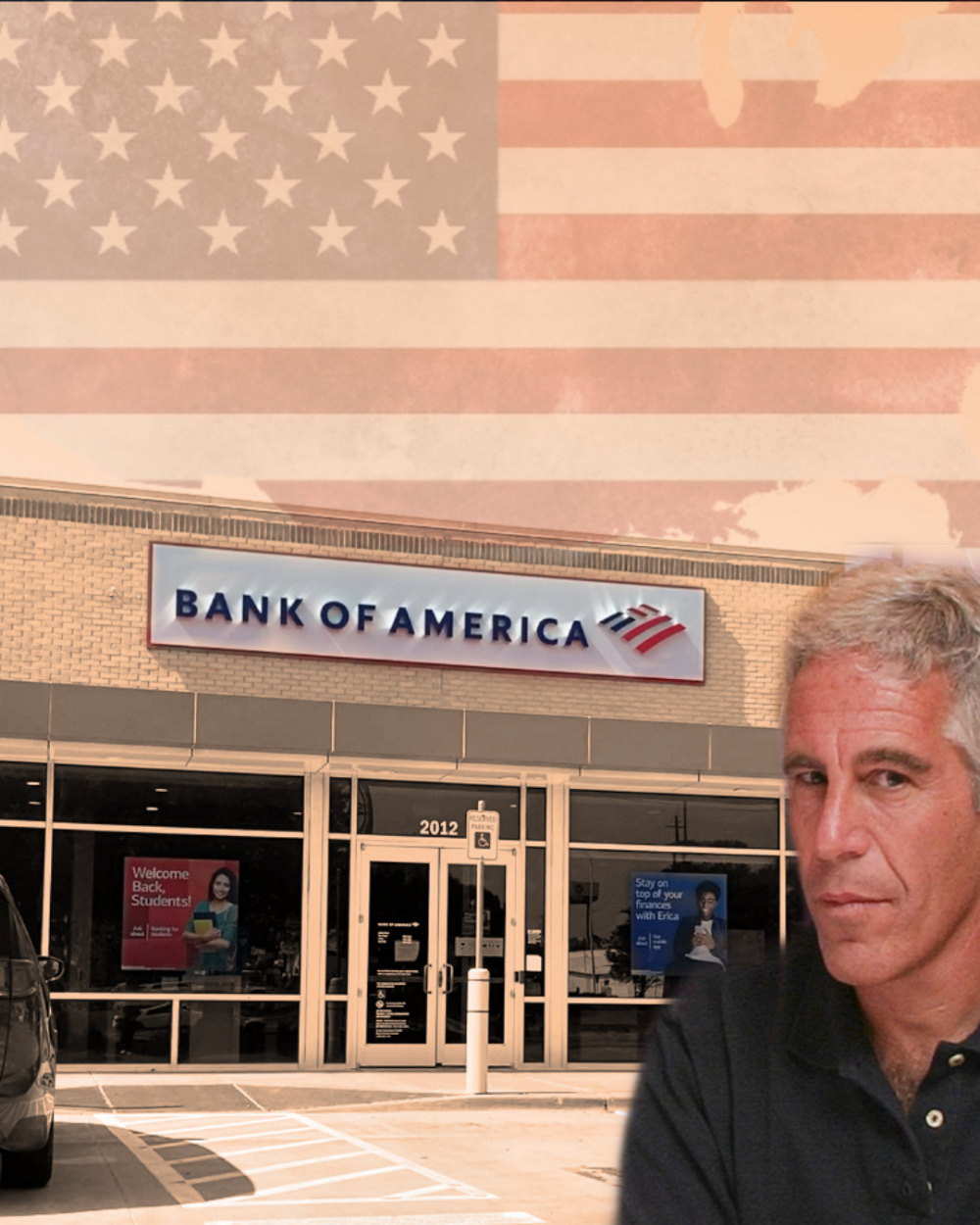
A recently filed class action in the U.S. District Court for the Southern District of New York alleges that Bank of America (BoA) knowingly facilitated and profited from the financial operations of convicted sex offender Jeffrey Epstein. The case joins a growing body of litigation exploring the extent to which financial institutions may be held civilly liable under federal law—particularly the Trafficking Victims Protection Act (TVPA)—for their roles in enabling or failing to prevent illegal activities through their banking services. This article examines the factual allegations, applicable legal doctrines, potential defenses, and broader implications for financial regulatory compliance and institutional liability.
I. Introduction
The civil lawsuit filed against Bank of America in October 2025 adds a significant chapter to the continuing legal fallout from the Jeffrey Epstein scandal. The plaintiff, a pseudonymous individual identified as Jane Doe, alleges that Bank of America knowingly provided financial services to Epstein and his associates, including managing accounts used for illicit purposes such as sex trafficking, without filing timely Suspicious Activity Reports (SARs) as required under U.S. law. According to the complaint, these failures facilitated the continuation of Epstein’s criminal enterprise and allowed the bank to benefit financially from these transactions.
Notably, BoA is not the first financial institution to face such litigation. JPMorgan Chase and Deutsche Bank have previously settled similar claims for substantial sums. However, this case against BoA raises new questions about constructive knowledge, the sufficiency of red-flag reporting mechanisms, and civil liability for institutions operating in complex regulatory environments.
II. Factual Background
The complaint filed in the Southern District of New York outlines the following key allegations:
- Use of Sham Companies and Payroll Activity: In 2015, the plaintiff claims she was placed on the payroll of a sham company associated with Epstein through an account she opened with Bank of America. The complaint states that she did not fully understand the purpose of the payments but later discovered their connection to Epstein’s broader trafficking network.
- Failure to Monitor and Report Suspicious Activity: The plaintiff alleges that Bank of America failed to file SARs for a number of transactions related to her account and others tied to Epstein. These reports were only filed following Epstein’s death in 2019, despite clear warning signs—including prior criminal charges and known associations with sex trafficking.
- Financial Gain from Illicit Activity: The bank allegedly earned fees, interest, and commissions from the transactions involving Epstein and his entities, effectively profiting from the facilitation of criminal conduct.
- Association with Richard Kahn: The complaint ties BoA to Epstein’s longtime accountant, Richard Kahn, who is accused of orchestrating financial operations for Epstein post-incarceration, including the management of sham payroll accounts.
III. Legal Framework
A. Trafficking Victims Protection Act (TVPA)
Under 18 U.S.C. § 1595, victims of human trafficking may bring civil claims against those who “knowingly benefit, financially or by receiving anything of value,” from participation in a venture that they knew or should have known engaged in trafficking. The plaintiff argues that BoA violated the TVPA by failing to detect or report transactions that were integral to Epstein’s trafficking operation, thereby “knowingly benefiting” from criminal activity.
Courts analyzing TVPA claims typically apply a two-pronged test:
- Participation in a venture;
- Knowledge or willful blindness regarding the nature of that venture.
The BoA case may pivot on whether the bank’s conduct meets the threshold of constructive or actual knowledge, and whether profits derived from routine banking transactions can be interpreted as a “knowing benefit” from criminal conduct.
B. Bank Secrecy Act (BSA) and Anti-Money Laundering (AML) Obligations
The Bank Secrecy Act requires financial institutions to implement AML programs and file SARs when transactions appear suspicious. Non-compliance does not typically form the basis of a private cause of action; however, failure to comply may serve as supporting evidence for civil liability under other statutes, including the TVPA.
SAR non-compliance, particularly in high-risk contexts involving politically exposed persons or individuals previously convicted of sex offenses, could suggest a willful disregard for statutory obligations.
C. Negligence and Fiduciary Duty
While banks do not generally owe fiduciary duties to non-clients, negligence claims may arise where banks facilitate foreseeable harm to third parties. The plaintiff may argue that BoA’s failure to conduct adequate due diligence or implement sufficient internal safeguards constituted negligence, particularly in light of Epstein’s criminal history.
IV. Potential Defenses
Bank of America is expected to raise several key defenses:
- Lack of Actual Knowledge: The bank may argue that it had no actual knowledge of Epstein’s continued trafficking activities post-incarceration and that any SAR filings were made in accordance with industry standards and regulatory timing requirements.
- Intervening Causation: BoA may assert that Epstein’s criminal conduct and the actions of his associates, not the bank’s services, were the proximate cause of the plaintiff’s harm.
- No Duty to Plaintiff: BoA may contest any duty of care to Jane Doe, particularly if she was not formally a client or account holder of the bank in her own capacity.
- Preemption and Regulatory Exclusivity: As financial institutions are heavily regulated by federal banking authorities, BoA may argue that enforcement and penalties for SAR or AML failures lie within the exclusive domain of regulators such as the Office of the Comptroller of the Currency (OCC) or the Financial Crimes Enforcement Network (FinCEN), not private litigants.
V. Broader Legal and Regulatory Implications
This case underscores a shifting landscape in corporate accountability, particularly for financial institutions whose services may be indirectly linked to unlawful activity. Key implications include:
- Precedent for Institutional Liability: If courts determine that BoA can be held liable under the TVPA, it would establish that financial institutions may be civilly liable for failing to identify and prevent trafficking-related financial activity.
- Stricter AML Enforcement: The lawsuit may prompt renewed regulatory scrutiny and possibly encourage legislative reform to tighten AML protocols, especially regarding politically or criminally exposed individuals.
- Expanded Scope of “Knowing Benefit”: Courts will be forced to address whether routine banking profits derived from customer activity can constitute a “knowing benefit” under the TVPA and similar statutes.
- Compliance Burden: Financial institutions may respond by increasing investment in compliance infrastructure, SAR training, and risk modeling to mitigate future liability.
VI. Conclusion
The pending lawsuit against Bank of America serves as a cautionary tale and potential turning point in how courts, regulators, and the public assess the role of financial institutions in enabling systemic criminal behavior. Whether the claims ultimately prevail in court or not, the case reinforces that passive complicity—through inaction, oversight failures, or profit motives—may increasingly carry civil consequences. For the banking industry, the cost of willful blindness may no longer be just reputational, but legal and financial as well.
Subscribe for Full Access.